Buying original art online safely
What to check before buying a painting online: who is selling, certificate of authenticity, 14 days to change your mind, packing, shipping and invoice.
Buying without seeing it in person is normal
Today a great deal of original art is bought without being seen in person, and European law gives good protection to people who buy this way. But a painting is not just any object: it is unique, it is fragile and it is often a purchase you have been thinking about for weeks. These are the points worth checking on any website, and the way we handle each of them here.
1. Know who is selling
A reputable seller says who they are: the name of the company or person, a tax number, an address and a direct contact. Be wary of websites where you cannot find these details. Here, they are in the footer of every page and in the Terms of sale.
2. Real photographs and an honest description
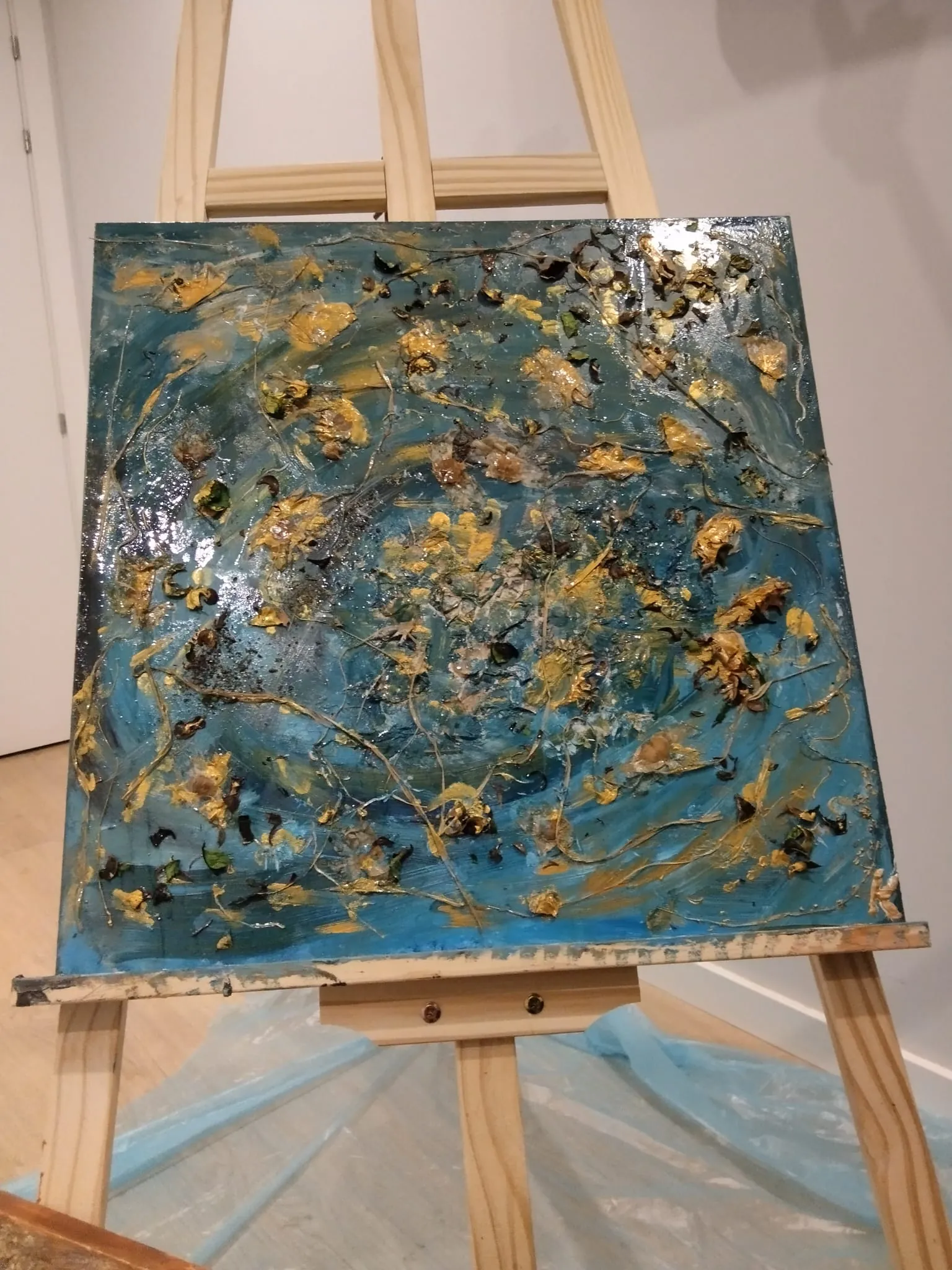
Ask for, or look for, photographs of the whole work, of the details and in a real setting, showing the texture and the scale. Colours always vary a little from screen to screen; a good description helps to make up for this. For each of Karla’s works, we show the canvas from the front, detail photographs and a photograph in the studio, with the dimensions and the technique set out in the work’s details.
3. Certificate of authenticity
For an original work, the certificate of authenticity is the document that links the piece to the artist: it identifies the work (title, dimensions, technique, year) and is signed by the person who painted it. Keep it with the invoice. If you ever want to sell or insure the work, it is the first thing you will be asked for. Every one of Karla’s works comes with a certificate signed by her.
4. The right to withdraw within 14 days
In the European Union, anyone who buys at a distance as a consumer can withdraw from the purchase within 14 days of receiving it, without giving any reason. Check in the seller’s terms how returns work and who pays for sending the item back. Here, we refund everything you paid, including the original shipping costs; the cost of sending the work back is yours and, because it is a large and fragile piece, we give you an estimate beforehand. The details are in the Terms of sale.
5. Packing and transport
A canvas travels well when it is well protected: protected corners, a layer that cushions any knocks and a box on the outside. Ask how the work is packed and who bears the risk while it is in transit. By law, the risk only passes to you when you receive the work. We explain all of this in Buying and shipping.
6. Secure payment and an invoice
Be wary of requests for payment by methods that leave no trace, or of pressure to pay quickly. A reputable seller states the total price, including shipping, before asking you for any payment, and issues an invoice. Here, the “Buy this work” button only sends a request, with no payment of any kind: we reply within 24 hours with the total price, the secure payment methods and the delivery time, and the work is reserved for you for 48 hours. The invoice is sent to you by email after the purchase.
7. Ask questions first
Finally, write to the seller before you buy. How quickly and how clearly they reply tells you a great deal. Ask whatever you like: the weight, how the back is prepared, whether the colour leans more one way or the other. That is what the Contact page is for, and the most common questions are answered in our Frequently asked questions.